Comparing the Most Trusted Assisted Living Communities in Charlotte
Assisted Living Programs: Keeping Seniors Engaged and Active
Assisted living programming is fundamental to enhancing senior well-being. These activities encourage physical health, mental stimulation, and social interaction. By participating in a range of fitness, creative, and cognitive pursuits, participants can develop community connections and life purpose. Still, the precise programming offered can differ considerably from one location to another. Understanding these differences is important for ensuring that seniors remain engaged and active in their daily lives.
The Importance of Staying Active in Assisted Living
Even though numerous individuals may associate assisted living with a deficiency of activity, staying physically and mentally engaged is important for residents' total well-being. Engaging in regular activities develops a sense of purpose and belonging, which can considerably enhance the quality of life. Physical activity helps sustaining mobility, strength, and balance, reducing the risk of falls and injuries. In addition, mental stimulation through diverse activities enhances cognitive health, assisting in stave off conditions like dementia and depression.
Another important component is social interaction, as it combats feelings of being alone and isolated that can develop in assisted living environments. Residents derive value from forming connections with other residents, sharing experiences, and joining in group activities. Consequently, incorporating a range of activities into daily routines is critical in ensuring that residents remain vibrant, engaged, and fulfilled, in the end leading to a more joyful and healthier lifestyle.
Forms of Exercise Exercises for Senior Citizens
At assisted living communities, fitness activities for seniors commonly consist of gentle aerobic exercises and strength training sessions. These activities are created to improve mobility and overall health while accommodating the physical capabilities of older adults. By incorporating such exercises, facilities can support a more active lifestyle among their residents.
Light Cardiovascular Activities
Soft aerobic exercises give seniors a means to improve their physical health while fostering overall well-being. These low-impact activities, such as walking, swimming, and cycling, strengthen cardiovascular health and boost endurance without putting excessive strain on the joints. Engaging in gentle aerobic exercises can also enhance mood and ease symptoms of anxiety and depression, promoting a sense of community when performed in group settings. Regular participation in these activities encourages social interaction, as seniors can socialize with peers while exercising. Additionally, soft aerobic exercises can be adjusted to individual fitness levels, making them available for everyone. Adding these exercises into daily routines helps seniors preserve mobility and independence, contributing positively to their overall quality of life.
Weight Training Sessions
Strength training programs serve a vital function in improving the overall fitness and health of seniors. These programs concentrate on see the facts developing muscle strength, boosting balance, and enhancing bone density, which can help reduce the risk of falls and injuries. Generally, strength training exercises include the use of resistance bands, light weights, or body weight movements adapted to individual capabilities. Most assisted living facilities provide group classes guided by trained professionals who understand the particular needs of older adults. Ongoing participation in strength training can also increase seniors' confidence and encourage independence in daily activities. Overall, integrating strength training into fitness routines can considerably contribute to a healthier lifestyle for seniors, fostering both physical and mental well-being.
Creative Communication By means of Art and Craft
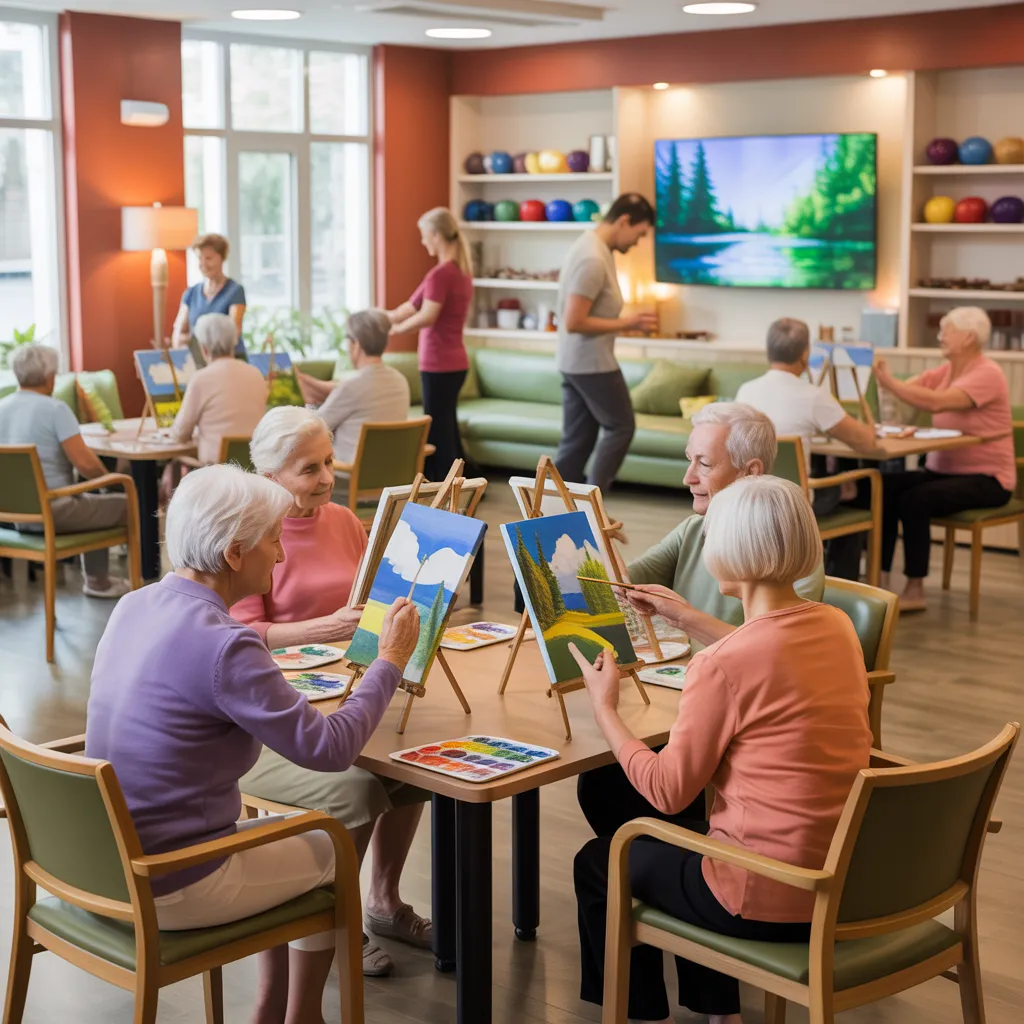
Artistic expression through art and craft provides many advantages for elderly individuals, notably in boosting emotional well-being and cognitive function. Different craft activities, such as painting, needlework, and pottery, present avenues for individuals to activate their imaginations while fostering social connections. Recognizing the value of art therapy can assist caregivers introduce these activities into assisted living programs meaningfully.
The Benefits Of Art Therapy
While various therapeutic techniques concentrate on verbal interaction, art therapy delivers a special channel for self-expression and emotional investigation. This type of therapy permits elderly individuals to share feelings and experiences that can be hard to communicate verbally. Engaging in creative activities can enhance cognitive function, improve mood, and reduce feelings of isolation. By means of the art-making process, participants may discover a feeling of success and enhanced confidence. Furthermore, art therapy offers a safe environment where older adults can copyrightine their feelings and recollections, encouraging relationships with peers. Overall, the benefits of art therapy extend beyond mere creativity; they encompass emotional healing, social interaction, and cognitive engagement, promoting a holistic approach to well-being in assisted living environments.
Craft Activity Types
Art therapy serves as a foundation for numerous craft activities that promote creative expression among seniors. These activities can include painting, where individuals discover color and form; knitting and crochching, which enhance fine motor skills while fostering a sense of accomplishment; and scrapbooking, allowing for personal storytelling through visuals. Pottery and ceramics engage seniors in tactile experiences, stimulating creativity and mindfulness. Additionally, collage-making integrates various materials, allowing self-expression and exploration of themes. Each craft activity not only boosts cognitive function but also offers opportunities for social interaction, strengthening community bonds. Through these creative outlets, seniors can discover joy, reduce stress, and maintain a sense of purpose in their daily lives.
Building Connections Through Social Activities
How do social activities enhance connections among residents in assisted living? Engaging in social activities nurtures relationships and establishes a sense of community among seniors. These activities, ranging from group outings to game nights, stimulate interaction and collaboration, enabling residents to share experiences and build friendships. Regular participation in social events can diminish feelings of loneliness and isolation, which are prevalent in senior living environments.
Moreover, social activities frequently generate opportunities for residents to identify shared interests, fostering deeper connections. Group discussions, arts and crafts sessions, and themed parties not only stimulate conversation but also foster teamwork and camaraderie.
Brain-Training Games and Educational Activities
Cognitive games and learning activities play an indispensable role in boosting mental stimulation among residents in assisted living. Such exercises, which include trivia competitions, puzzles, and recall activities, are created to exercise cognitive skills and encourage brain health. Engaging in such activities can boost retention, concentration, and reasoning capabilities, which are crucial for seniors as they age.
Several assisted living centers implement structured programs that promote participation in these games, building a sense of accomplishment and social interaction. Group activities, like word games and discussion groups, not only engage the mind but also reinforce connections between residents, reducing feelings of isolation.
Moreover, learning activities, like art classes or technology workshops, present opportunities for residents to learn new skills, additionally improving their cognitive engagement. All in all, cognitive games and learning activities are critical factors in preserving mental agility and enhancing the lives of seniors in assisted living communities.
Discovering Your Community: Enjoyable Outings for Seniors
Taking part in community outings gives seniors a worthwhile opportunity to explore their surroundings and participate in social activities that enhance their quality of life. These outings can take different forms, including visits to local parks, museums, or community events, cultivating a sense of connection with the wider community.
Taking part in group excursions allows seniors to interact with fellow seniors, share experiences, and develop friendships, combating feelings of isolation. Moreover, exposure to different environments stimulates mental engagement and promotes physical activity, which is vital for overall health.
Whether going to a musical performance, touring a botanical garden, or having a picnic, these occasions deliver new perspectives and pleasure. Community outings also encourage seniors to reflect on earlier experiences, enriching their cognitive functions. Ultimately, regular participation in such activities not only supports emotional wellness but also empowers seniors to sustain an active and fulfilling lifestyle.
Popular Questions
How Might Family Members Get Involved in Activities?
Loved ones can engage by planning activities, making frequent visits, participating as volunteers, and participating in dialogue. Their participation creates bonds, enhances emotional support, and motivates seniors to keep active, encouraging overall wellness and joy.
Does Your Facility Provide Staff-Led Activities or Programs?
Yes, staff-led programs and activities are offered, created to involve residents through diverse options like arts and crafts, exercise classes, and social events, promoting community and encouraging involvement among seniors within the residence.
What Safety Precautions Are in Place During Activities?
Safety protocols during activities include professional supervision, regular safety assessments, urgent response plans, easily reachable tools, and health evaluations. These precautions guarantee participants remain secure while participating in various programs created to promote engagement and pleasure.
How Are Residents Able to Suggest New Activities?
Residents have the opportunity to suggest new activities by taking part in regular feedback sessions, submitting written ideas to staff, or taking part in one-on-one meetings with activity coordinators, ensuring their preferences and interests are considered in planning future events.
Are Any Fees Associated With Activity Participation?
Activity participation may incur costs, based on the specific event and facility policies. Some programs are included in monthly fees, while additional programs, such as special outings or materials, may necessitate additional fees for participants.